
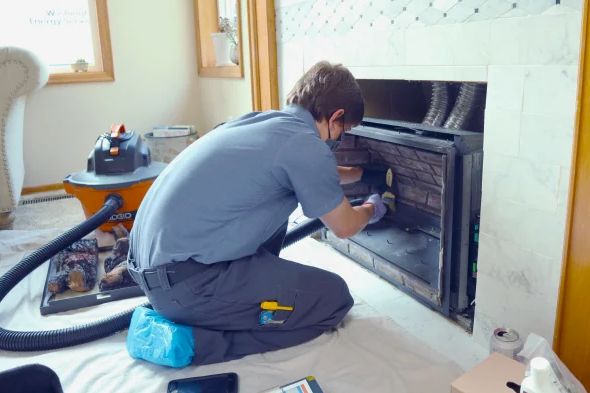
Fireplace Services: Inspection, Cleaning & Repair
There is nothing quite like a warm fire on a freezing evening. The crackling sound, the dancing flames, the radiant heat that no furnace can quite replicate. But a fireplace is also a complex system with gas lines, chimneys, flues, and ventilation components. Without proper maintenance, what should be a source of comfort becomes a serious safety hazard. Professional fireplace services ensure your hearth performs efficiently, lasts for decades, and most importantly — keeps your family safe.
Why Regular Fireplace Services Matter More Than You Think
Many homeowners assume their fireplace is fine because it lit without issue last winter. That assumption is dangerous. Creosote builds up inside chimney flues with every fire. Cracks develop in masonry or prefabricated fireboxes. Bird nests and debris block chimneys. Gas valves slowly leak. Carbon monoxide seeps into living spaces.
A professional fireplace service company sees these hidden dangers every day. They find problems that homeowners would never notice until something catastrophic happens — a chimney fire, carbon monoxide poisoning, or a house fire. Annual inspections by a qualified contractor are not optional extras. They are essential safety measures.
Types of Fireplaces and Their Unique Service Needs
Different fireplaces require different expertise. A reliable fireplace contractor understands each type thoroughly.
Wood-Burning Fireplaces
Traditional masonry fireplaces are beautiful but demanding. Every fire leaves behind creosote — a black, tar-like substance that is highly flammable. As creosote builds up inside the chimney flue, the risk of a chimney fire increases dramatically. A chimney sweep removes this buildup using specialized brushes and vacuums. Beyond cleaning, a fireplace service contractor inspects the firebox, damper, smoke shelf, and chimney crown for cracks or deterioration. Mortar joints in older chimneys often crumble, allowing heat to reach combustible framing.
Gas Fireplaces
Gas fireplaces offer convenience at the push of a button, but they have their own maintenance requirements. Burners collect dust and debris, affecting flame appearance and heat output. Pilot lights malfunction. Gas valves stick or fail. Vents become blocked by insect nests or spider webs. A licensed gas fireplace contractor checks for leaks, tests safety sensors, cleans burner ports, and verifies proper ventilation. Never attempt gas fireplace repairs yourself — improper handling can cause gas leaks or explosions.
Electric Fireplaces
Electric fireplaces are the lowest maintenance option, but they are not maintenance-free. Fan motors accumulate dust and eventually fail. Heating elements degrade over time. Electrical connections loosen. Remote controls and wall switches malfunction. A qualified contractor can diagnose and repair these components safely. Many homeowners attempt DIY electrical fixes without realizing they are voiding warranties and risking fire.
Insert Fireplaces
Fireplace inserts fit into existing masonry fireplaces, improving efficiency dramatically. However, inserts have complex stainless steel liners, blower systems, and sealing components. A specialized fireplace services company understands how these systems work together. Improper installation or neglected maintenance leads to poor drafting, smoke entering the room, and wasted fuel.
Essential Fireplace Services Every Homeowner Needs
Understanding the full range of professional fireplace services helps you request exactly what your system requires.
Annual Chimney Inspection
The National Fire Protection Association recommends chimney inspections every year. A certified chimney contractor follows a standardized process. Level one inspections are basic — looking at accessible portions of the chimney for obvious problems. Level two inspections add video scanning of the entire flue. Level three inspections involve removing chimney components when serious structural damage is suspected. Most annual inspections are level one or two. Your contractor recommends the appropriate level based on your fireplace usage and chimney condition.
Professional Chimney Sweeping
Sweeping removes creosote and soot from the flue. How often depends on how much you use your fireplace. Occasional users — one fire per week during winter — need sweeping every one to two years. Daily users need sweeping annually or even twice per year. A professional sweep uses rotating brushes that match your flue size, followed by a high-powered HEPA vacuum that contains dust and debris inside your home. Never hire anyone offering chemical creosote removers as an alternative to physical sweeping. Those products are not substitutes for mechanical cleaning.
Chimney Cap Installation and Repair
A missing or damaged chimney cap invites trouble. Rain enters the flue, deteriorating mortar and rusting dampers. Animals nest inside — birds, squirrels, raccoons, even bats. Debris blocks airflow. A quality fireplace contractor installs stainless steel or copper caps with proper mesh screens. These caps keep water and creatures out while allowing smoke and gases to escape. Replacing a damaged cap costs significantly less than repairing water-damaged chimney masonry.
Flue Repair and Relining
Cracked or deteriorated flue tiles are serious problems. Heat and combustion gases escape through cracks, reaching combustible wood framing. A professional chimney company can install a stainless steel liner — a flexible or rigid tube that creates a smooth, safe passage for exhaust. Liner installation is common when buying older homes with original clay tile flues. Many insurance companies require relining before they will cover homes with damaged chimney flues.
Masonry Repair and Tuckpointing
Chimney bricks and mortar weather over time. Freeze-thaw cycles crack mortar joints. Water infiltration spalls brick faces — causing them to flake and crumble. A qualified mason or fireplace contractor performs tuckpointing: removing deteriorated mortar and packing fresh mortar into joints. Severe damage may require partial or full chimney rebuilding. Ignoring masonry problems leads to chimney collapse — a catastrophic and expensive event.
Gas Fireplace Servicing
Annual gas fireplace service includes cleaning burner ports, checking spark electrodes, testing flame sensors, inspecting gas pressure, and verifying proper venting. A licensed gas contractor also checks for carbon monoxide leakage around the firebox and behind access panels. Many gas fireplace manufacturers require annual professional service to keep warranties valid. Skipping service voids your warranty without you realizing it.
Signs Your Fireplace Needs Professional Attention
Do not wait for your annual inspection if you notice any of these warning signs.
Difficulty Starting or Keeping a Fire Going
If your wood-burning fireplace smokes excessively or struggles to draw air upward, the flue may be blocked or partially closed. Gas fireplaces that take multiple attempts to light may have dirty sensors, low gas pressure, or failing igniters. A fireplace service contractor diagnoses draft issues and ignition problems quickly.
Strange Odors Coming from the Fireplace
A musty smell suggests moisture in the chimney or firebox. A sharp, chemical odor resembles creosote buildup heating up on warm days. A rotten egg smell indicates a natural gas leak — evacuate immediately and call your gas utility from outside. Never ignore any unusual odor from your fireplace.
Visible Cracks or Missing Mortar
Walk around your chimney exterior. Look for crumbling mortar, cracked bricks, or gaps between the chimney and roof flashing. Inside the firebox, inspect the refractory panels or firebrick for cracks wider than a quarter-inch. Any visible deterioration warrants a call to a qualified contractor before using the fireplace again.
Water Stains on Ceilings or Walls Near the Chimney
Brown stains near your chimney mean water is entering somewhere — likely through a damaged cap, cracked crown, or failed flashing. Water damage leads to rot, mold, and structural weakening. A chimney repair company can identify the entry point and seal it before further damage occurs.
Excessive Soot Buildup on Glass Doors or Surrounding Walls
Gas fireplaces with dirty glass suggest incomplete combustion. Wood fireplaces with black soot on surrounding walls indicate poor drafting or a blocked flue. Both scenarios allow combustion byproducts into your living space. Stop using the fireplace immediately and schedule professional service.
Choosing the Right Fireplace Services Company
Not every chimney sweep is qualified. Knowing what to look for protects your home and your wallet.
Look for Industry Certifications
The Chimney Safety Institute of America certifies chimney professionals who pass rigorous exams and complete continuing education. Certified Chimney Sweeps demonstrate knowledge of fire science, building codes, and proper cleaning techniques. Ask any fireplace contractor you consider whether they hold current CSIA certification.
Verify Licensing and Insurance
Depending on your location, chimney contractors may need specific licenses for gas work, masonry, or general contracting. Ask for proof of liability insurance and workers’ compensation. Uninsured contractors leave you responsible if someone gets hurt on your property or if they damage your home.
Read Recent Customer Reviews
Online reviews reveal patterns. Multiple complaints about missed appointments, damaged homes, or upselling unnecessary services are red flags. Consistent praise for punctuality, cleanliness, clear communication, and fair pricing indicates a reliable company. Check Google, Yelp, and the Better Business Bureau.
Get a Written Estimate Before Work Begins
A professional fireplace service company provides a written estimate describing exactly what they will do, how long it will take, and what it will cost. Be wary of contractors who give verbal quotes only or who refuse to put details in writing. Estimates for chimney sweeping typically include video inspection and a written report of findings.
FAQs
1. How often should I have my fireplace and chimney inspected?
The National Fire Protection Association recommends annual inspections for all fireplaces, regardless of how often you use them. Even unused fireplaces can develop problems like animal nests, moisture damage, or deteriorating mortar.
2. Can I clean my own chimney instead of hiring a professional company?
You can physically remove some creosote with DIY chimney sweeping rods and brushes, but most homeowners lack the experience to identify hidden problems.
3. Why does my gas fireplace produce so much soot on the glass?
Soot on gas fireplace glass indicates incomplete combustion. Common causes include dirty burner ports, incorrect air-to-fuel mixture, or improperly sized logs blocking flame patterns.
4. What is the difference between a chimney sweep and a fireplace contractor?
A chimney sweep specializes in cleaning creosote and soot from flues. A fireplace contractor offers broader services, including masonry repair, flue relining, damper replacement, gas fireplace repair, and complete chimney rebuilding.
5. How do I know if my chimney needs relining?
Signs that your chimney needs a new liner include visible cracks in clay tile liners, efflorescence (white mineral deposits) on exterior masonry, deteriorated mortar joints between tiles, or a history of chimney fires.